
Are you worried about Britain’s energy future as gas prices continue to fluctuate wildly? Does the thought of power cuts and soaring electricity bills keep you awake at night? What if there was a massive industrial project that could power 6 million homes for decades without relying on volatile fossil fuels?
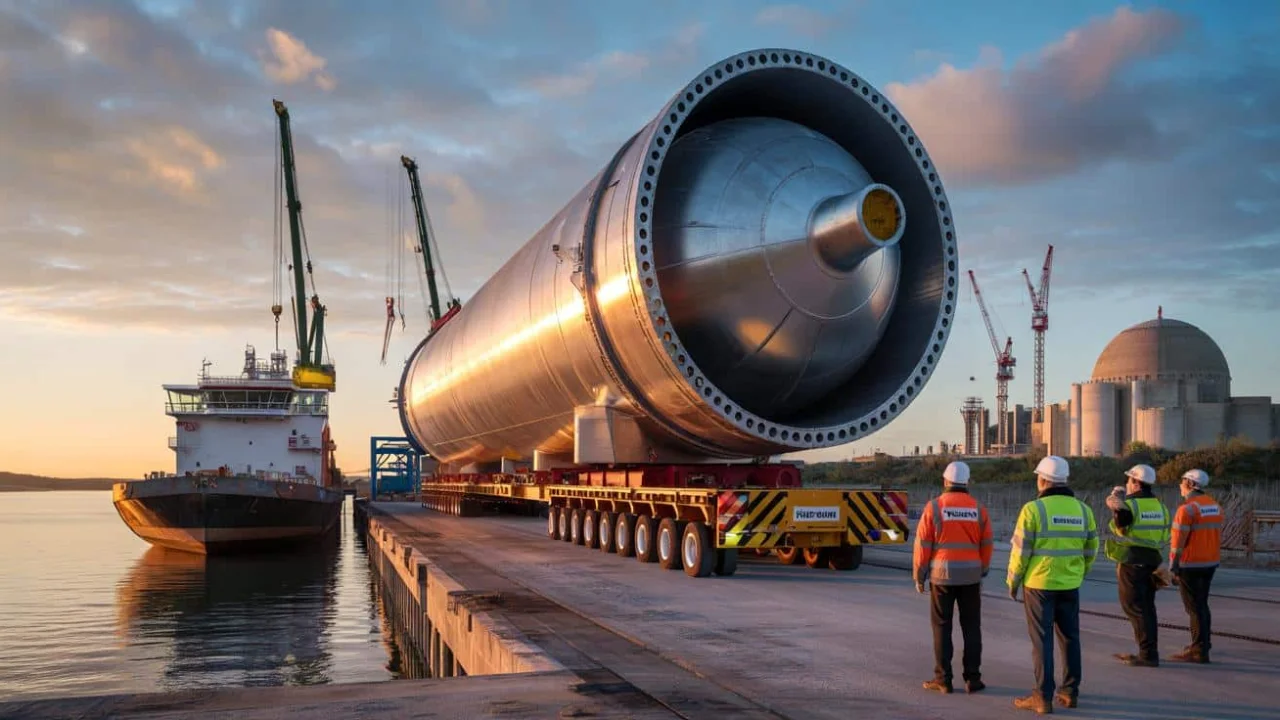
On November 28, 2025, French nuclear specialist Framatome completed fabrication of a critical component that represents Britain’s biggest bet on energy independence in a generation. The hinkley point c reactor pressure vessel for Unit 2 – a 500-tonne steel colossus – has just finished its final inspections and is preparing for its journey across the Channel to Somerset.
| Project Detail | Specification |
|---|---|
| Total Cost | £31-34 billion (2015 prices) |
| Power Output | Two units at 1,630 MW each |
| UK Electricity Share | Approximately 7% of national demand |
| Homes Powered | Up to 6 million households |
| Expected Lifespan | 60-80 years of operation |
| First Power Target | 2030 (Unit 1), 2031 (Unit 2) |
Who Will Be Affected By This Nuclear Milestone
- British households facing uncertain energy costs over the next decade
- Industrial manufacturers seeking stable, long-term power prices
- Energy-intensive businesses planning major investments in the UK
- Local communities in Somerset where thousands of construction jobs are being created
- Pension funds and institutional investors backing long-term infrastructure projects
- Environmental groups pushing for decarbonisation without weather dependency
- French nuclear suppliers strengthening their export capabilities
Revolutionary Changes This Reactor Vessel Brings To Britain’s Grid
The completed pressure vessel represents far more than just another industrial component. This steel fortress will house uranium fuel assemblies that generate electricity regardless of wind patterns or sunlight availability.
- Provides baseload power that runs 24/7 for decades, unlike weather-dependent renewables
- Eliminates the need for gas-powered backup plants during windless periods
- Creates predictable electricity costs over 60+ years of operation
- Reduces Britain’s exposure to volatile international fossil fuel markets
- Generates zero carbon emissions during normal operation
- Supports grid stability with consistent power output year-round
The reactor pressure vessel itself is an engineering marvel. Measuring 13 metres in length and weighing more than a fully loaded Airbus A380, this single component must withstand temperatures of 300°C, pressures above 150 bar, and intense radiation for several decades.
| Global EPR Status | Location | Status | Power Output | Service Date |
|---|---|---|---|---|
| Flamanville 3 | France | Final commissioning | 1,630 MW | 2024-2026 |
| Olkiluoto 3 | Finland | Operating | 1,600 MW | Since 2023 |
| Taishan 1 & 2 | China | Operating | 1,660 MW each | 2018-2019 |
| Hinkley Point C | UK | Under construction | 1,630 MW each | 2030-2031 |
| Sizewell C | UK | Approved | 1,630 MW each | Mid-2030s |
“The completion of this reactor vessel marks a critical milestone in Britain’s transition to clean energy independence. This single component will generate low-carbon electricity for millions of homes for generations,” says a nuclear policy analyst.
How This Massive Steel Vessel Will Transform Your Energy Bills
The practical impact of the hinkley point c reactor extends directly into household budgets and business planning. Unlike gas plants that face unpredictable fuel costs, nuclear reactors operate with extremely stable long-term expenses.
Once operational, the Hinkley Point C facility will provide approximately 7% of Britain’s total electricity demand. This baseload capacity runs continuously, meaning it displaces gas-fired generation that typically kicks in when wind and solar output drops.
For typical households, this translates into reduced exposure to international gas price shocks. When global energy markets become volatile – as seen during recent geopolitical crises – nuclear plants continue generating at the same cost as always.
Industrial users particularly benefit from this stability. Manufacturing facilities planning major capital investments need predictable energy costs over decades, not the wild swings associated with fossil fuel markets.
“Large-scale nuclear provides the kind of long-term price certainty that British industry hasn’t enjoyed for years. That stability becomes the foundation for major manufacturing investments,” says a industrial energy consultant.
Critical Questions About Britain’s Nuclear Gamble
When will the Hinkley Point C reactor start generating electricity?
Unit 1 targets first power around 2030, with Unit 2 following in 2031 after commissioning tests.
How much will this nuclear project ultimately cost taxpayers?
Current estimates range from £31-34 billion, though EDF bears the construction risk under the financing agreement.
What happens to nuclear waste from these reactors?
Spent fuel requires secure storage for decades while the UK develops a permanent geological disposal facility.
Can this single plant really power 6 million homes?
Yes, the combined 3,260 MW output can supply electricity for approximately 6 million average British households.
Why is French engineering so central to Britain’s nuclear strategy?
France maintains the world’s most advanced nuclear manufacturing capabilities, making them the natural supplier for UK projects.
What risks could still derail this massive investment?
Further cost overruns, construction delays, or major technical problems could undermine political support for nuclear power.
“This reactor vessel represents more than just steel and engineering – it’s Britain’s commitment to energy security through the 2030s and beyond. The success of this project will determine whether nuclear power regains its central role in the UK energy mix,” says a energy infrastructure specialist.
Your Next Steps As This Nuclear Giant Crosses The Channel
The completion of this massive reactor vessel signals that Britain’s nuclear renaissance is moving from political promises to industrial reality. The hinkley point c reactor will soon begin its careful journey to Somerset, where it will be installed using one of Europe’s most powerful cranes.
For households and businesses, this milestone means Britain’s energy future is becoming less dependent on volatile gas imports and more anchored in predictable, low-carbon generation. The reactor pressure vessel now heading for Somerset carries Britain’s bet on long-term climate policy and industrial competitiveness.
Monitor your energy supplier’s plans for renewable and nuclear purchases. Consider long-term fixed-rate contracts that might benefit from increased baseload generation. Most importantly, stay informed about how major infrastructure investments like Hinkley Point C will reshape Britain’s energy landscape over the coming decade.