
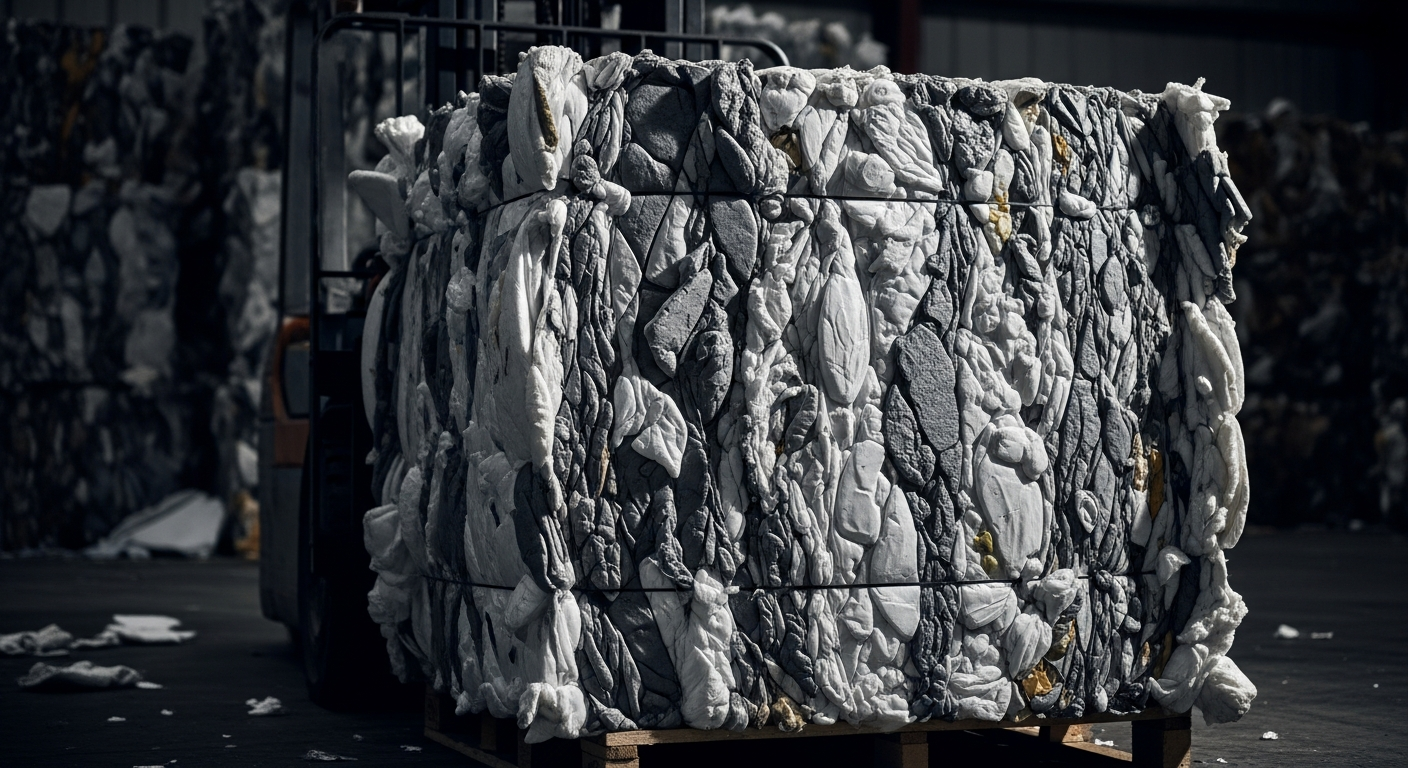
Foam waste has long been a silent contributor to the mounting global landfill crisis. Made of expanded polystyrene (EPS), this lightweight but bulky material is commonly used in packaging, foodservice containers, and insulation. However, its recycling rate remains alarmingly low due to logistical challenges, public misconceptions, and inadequate infrastructure. The good news? A **simple industry shift** could drastically change the future of foam disposal, keeping millions of pounds of waste out of landfills and repurposing it into valuable products.
Recently, advancements in foam recycling technology and policies across several municipalities have ignited new momentum for sustainable disposal methods. By recognizing a critical oversight—how to efficiently collect and process foam—engineers and sustainability advocates are now transforming how we handle this problematic material. The key lies in **densifying** the foam and creating accessible drop-off programs. This not only saves landfill space but provides a recyclable material for manufacturing industries in need. Let’s uncover how foam disposal is being revolutionized and what it means for consumers, businesses, and the planet.
Overview of Foam Recycling Solutions
| Topic | Details |
|---|---|
| Material | Expanded Polystyrene (EPS) foam |
| Primary Use | Packaging, food containers, insulation |
| Problems | Bulky, lightweight, difficult to collect and recycle |
| Main Solution | Densification and expanded drop-off recycling centers |
| Benefits | Reduces landfill waste, supports circular economy |
| Limitations | Lack of public awareness, limited infrastructure |
Why recycling foam has been a persistent challenge
Foam’s inherently lightweight nature makes it ideal for cushioning delicate goods but drastically complicates its end-of-life handling. “You have a product that is 98% air,” explains sustainability consultant Jane Holloway. “Transporting it economically for recycling doesn’t make sense unless you compact it first.”
Historically, most recycling centers have refused foam due to contamination concerns (such as food residue), the cost of processing, and the limited demand for recycled EPS. Only specialized facilities with compactors or **densifiers** were capable of processing such material economically, which left the majority of foam waste heading straight to the landfill.
What changed this year in foam recycling
In recent years—and especially this year—the foam recycling landscape has shifted dramatically. More municipalities, private companies, and NGOs have invested in **foam densifiers**—machines that compress the material into manageable bricks. These bricks can then be melted down and reused in products such as picture frames, molding, and construction materials.
Simultaneously, improved cleaning protocols and packaging regulations have redefined how foam waste is collected. Many communities now host **”clean foam” drop-off locations**, significantly increasing recycling participation rates. The result is a notable decrease in foam entering landfills.
We’ve seen a 300% increase in foam recovery since we launched municipal densification sites.
— Mark Reynolds, Recycling Program Director
Who qualifies and why it matters
Foam recycling programs are now more widely available to **residential consumers**, small businesses, and large-scale manufacturers alike. Participation typically requires cleaning the foam from food or other contaminates before drop-off. Packaging foam, often used in electronics or furniture shipping, remains the most accepted format due to its cleanliness and density.
For businesses, especially those in retail or e-commerce, the benefits are twofold: reducing waste hauling costs and meeting environmental compliance mandates. Some companies now generate revenue by selling densified foam to recyclers who transform it into new products. The impact is not just corporate; local governments that participate in expanded recycling save significantly on landfill tipping fees.
How communities are leading foam recycling success
Across the country, cities like Portland, Seattle, and Austin have introduced successful foam recycling models, driven by local initiatives and support from non-profit partners. Community drop-off centers and mobile collection events are becoming commonplace, making it easier for the average citizen to partake.
School districts and universities are also getting involved, using foam waste from cafeterias as educational tools in sustainability curricula. These institutions often partner with local recyclers to set up permanent or pop-up collection bins. The ripple effect of awareness and action is beginning to show as more people learn the impact of even small behavioral shifts.
Types of foam that can and cannot be recycled
It’s important to distinguish between **EPS foam** and other foam variants. EPS, commonly white and used in packaging, is the most readily recyclable form. However, food-soiled foam and colored foam are less accepted due to contamination risks and pigment additives.
Here’s a simple guideline:
- ✅ Recyclable: Clean white packaging foam (blocks and sheets)
- ✅ Recyclable: Unused foam take-out containers (clean and dry)
- ❌ Not recyclable: Foam peanuts (unless specifically marked)
- ❌ Not recyclable: Food-contaminated items, colored foam trays
It’s not just about recycling foam—it’s about first knowing what foam is recyclable.
— Rachel Ortega, Plastic Waste Analyst
Environmental impact and manufacturing benefits
Foam recycling has tangible environmental benefits. For every ton of EPS foam recycled, nearly **one ton of carbon emissions** can be avoided. Moreover, repurposing foam into durable goods such as insulation panels or car parts contributes to a **circular economy** where materials are reused rather than discarded.
The manufacturing sector also benefits. Companies receive a steady, cost-effective supply of recycled plastic feedstock. This reduces demand for virgin oil-derived plastics and helps firms meet sustainability goals. In many cases, recycled EPS performs just as well as new material and costs substantially less.
Winners and losers in the new foam recycling model
| Winners | Losers |
|---|---|
| Communities with densification programs | Landfills nearing capacity |
| Businesses lowering disposal fees | Areas with no public drop-off locations |
| Manufacturers using recycled EPS | Consumers unsure of recycling rules |
| Municipalities reducing waste costs | Recyclers without proper equipment |
How everyday consumers can take part
Foam recycling is no longer just for commercial centers—it’s becoming easier for everyday citizens to play a role. The process is simple:
- Collect clean, dry foam (typically packaging material).
- Remove tape, labels, or food remnants.
- Locate a participating drop-off site in your area.
- Bundle and drop off during operating hours.
Some large electronics or furniture retailers even accept returned foam packaging for recycling, encouraging consumers to think differently about disposal routines.
Short FAQs on Foam Recycling
What type of foam is usually recyclable?
Clean, white expanded polystyrene (EPS), such as packaging foam from electronics or appliances.
Is food container foam recyclable?
Only if it’s clean and uncolored. Food-stained or colored foam is generally not accepted.
Do all recycling centers accept foam?
No, most curbside programs do not. Check for specialized drop-off locations or events.
Is foam peanut packaging recyclable?
Typically no, unless marked otherwise. Call local facilities to confirm.
What are foam densifiers?
Machines that compress foam into dense blocks for efficient recycling and transport.
Can recycled foam be reused in new products?
Yes, it’s commonly used in insulation, picture frames, and injection-molded plastic items.
Why is foam recycling important for the environment?
It reduces landfill use, lowers carbon emissions, and conserves resources by supporting a circular economy.
Where can I find a foam drop-off site?
Look for listings from your local waste management authority or city website, or call your nearest recycling center.