
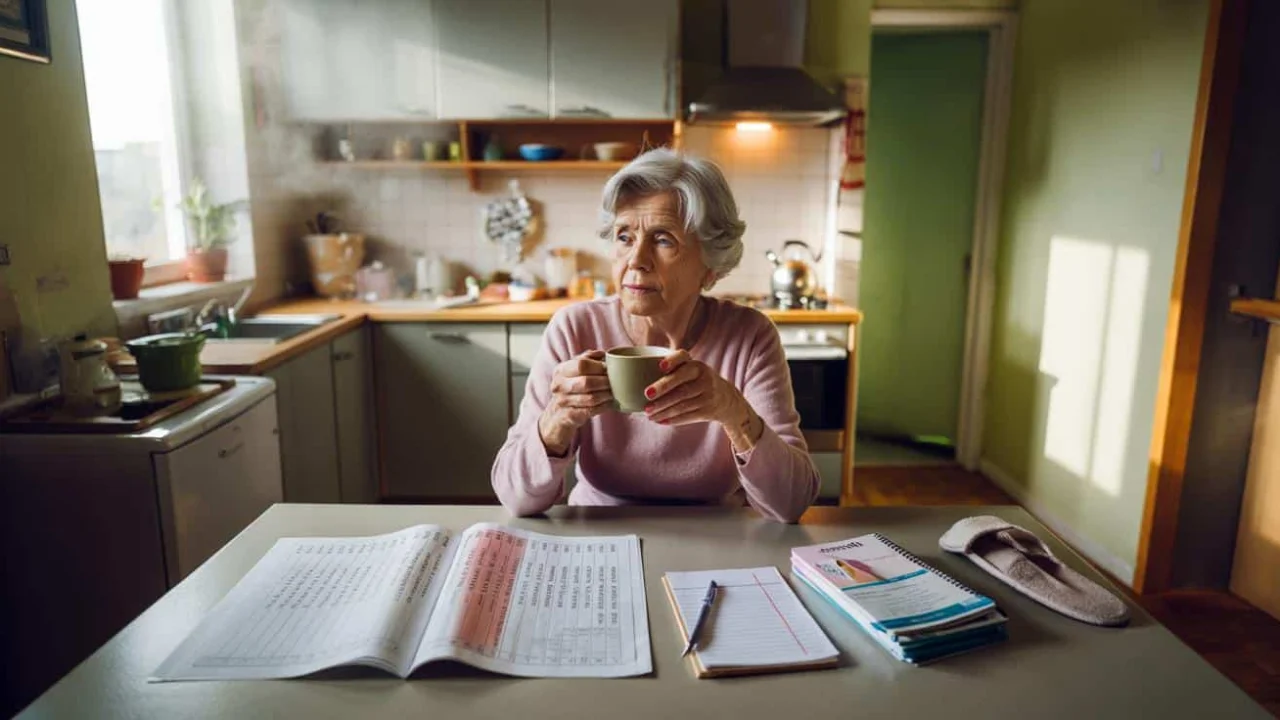
Marie sits alone at her kitchen table, watching steam rise from her morning coffee. At 73, she knows every euro in her monthly pension by heart—where it comes from, where it goes, how much is left for the small joys that make life worth living. Her neighbors share similar stories of careful calculations and quiet compromises.
Across the country, millions of solo retirees face the same arithmetic. Without a partner to split costs or share financial burdens, the question becomes urgent: what is the ideal pension amount for someone living alone?
The answer isn’t just numbers on a statement. It’s the difference between surviving and actually living with dignity in your golden years.
| Key Factor | Benchmark | Impact for Solo Retirees |
|---|---|---|
| Target Range | 70-80% of last net salary | Usually €1,400-€1,800/month minimum |
| Housing Costs | 30-40% of pension | No shared rent or mortgage payments |
| Food Budget | 15-20% of pension | No bulk buying advantages |
| Comfort Zone | Above €1,800/month | Less financial stress, more choices |
Who Faces the Solo Retirement Challenge
The reality of retiring alone affects a growing number of people:
- Divorced individuals who rebuilt their lives independently
- Widows and widowers managing finances for the first time
- People who never married but focused on career and personal growth
- Those whose adult children live far away or remain financially dependent
- Anyone whose spouse entered long-term care, essentially creating single-person expenses
What Changes When You Retire Alone
Every expense hits differently when there’s no one to share the load:
- Housing costs cannot be split—rent, utilities, and maintenance fall entirely on one pension
- Grocery shopping loses economies of scale, often leading to higher per-meal costs
- Emergency repairs or medical bills have no backup financial support
- Social activities require individual budgeting rather than couple planning
- Transportation costs cannot be shared for trips or daily errands
The Numbers That Define Financial Security
| Monthly Pension Range | Lifestyle Reality | Financial Stress Level |
|---|---|---|
| Below €1,300 | Every expense requires careful consideration | High—frequent difficult choices |
| €1,300-€1,600 | Basic needs covered with minimal extras | Moderate—some financial anxiety |
| €1,600-€1,800 | Comfortable basics plus occasional treats | Low—manageable financial planning |
| Above €1,800 | Freedom for spontaneous decisions and hobbies | Minimal—focus on enjoying retirement |
Real-World Impact of Different Pension Levels
Consider Gérard, a 67-year-old former warehouse worker living on €1,250 monthly. His rent consumes €550, utilities another €160, leaving €540 for everything else. He maintains a detailed expense notebook, recording every purchase over €5.
“I’m not dramatic about it,” he explains with a smile. “But when my grandchildren suggest dinner out, they know they’re paying.”
This represents the harsh mathematics of solo retirement. When housing alone consumes over 40% of income, every other expense becomes a careful calculation. The ideal pension amount begins to feel less theoretical and more like the monthly sum that allows dignity without constant financial anxiety.
“As long as I can pay my bills, buy fresh food, and say yes when a friend invites me for a drink, I feel rich. For me, that’s the only definition of a good pension,” shares Elena, a 72-year-old retired nurse.
Building Your Personal Pension Target
Financial planners recommend a practical approach to determining your ideal pension amount. Start with three categories: non-negotiable expenses, comfort items, and nice-to-have luxuries.
Non-negotiable expenses include rent or property taxes, basic utilities, food, healthcare, and insurance. Write actual numbers, not optimistic estimates. Many retirees underestimate recurring small expenses—streaming services, subscriptions, and maintenance costs that accumulate quietly.
Comfort items encompass social outings, modest travel, hobbies, family gifts, and personal care services. The ideal pension should cover all non-negotiables plus at least half of comfort items without creating constant stress.
“The biggest mistake I see is people creating retirement budgets that eliminate everything that makes life enjoyable,” notes Jean-Pierre Moreau, a retirement planning specialist. “They reach their target number by removing café visits, family trips, and small purchases that provide daily happiness.”
Avoiding Common Calculation Mistakes
Many people underestimate their true needs by focusing solely on survival expenses. They forget that retirement should involve more than just paying bills and buying groceries. Mental health and social connections require financial resources too.
The emotional component cannot be ignored. Retirement income represents dignity, freedom, and the security to handle unexpected challenges without panic. A truly ideal pension amount provides psychological peace alongside financial stability.
Regional and Lifestyle Variations
Location dramatically impacts pension requirements. Urban retirees typically need higher amounts due to expensive housing and transportation costs. Rural retirees might manage well on less, particularly if they own their homes outright.
Health status also affects the calculation. Chronic conditions requiring regular medical attention or prescription medications can consume hundreds of euros monthly, making higher pension amounts essential for maintaining quality of life.
“Your city, your body, your habits, your debts, your family, your fears—all of that shapes the figure that will let you sleep at night,” explains retirement counselor Marie Dubois. “The most honest question isn’t ‘What’s the ideal pension for everyone?’ but ‘What kind of old age do I secretly hope for, and how much does that life cost where I live?'”
Strategies for Pension Optimization
If projected pension amounts fall short of your calculated ideal, three main strategies can help bridge the gap. First, reduce structural costs by downsizing housing, relocating to less expensive areas, or eliminating unnecessary recurring expenses.
Second, explore income supplementation through part-time work, renting spare rooms, or claiming all available benefits and assistance programs. Many retirees qualify for aid they never requested simply because they weren’t aware of eligibility.
Third, adjust expectations realistically while protecting the expenses that matter most to your well-being. Cut costs that hurt least while preserving the activities and purchases that maintain your mental and social health.
Frequently Asked Questions
Is there a universal ideal pension amount for someone living alone?
No universal amount exists, but most solo retirees feel more secure above €1,500 monthly. The real ideal pension amount depends on housing costs, location, health needs, and personal lifestyle preferences.
How can I determine if my future pension will be sufficient?
Simulate retirement for one month by tracking every expense as if currently retired. Compare projected costs to expected pension income, identifying gaps early enough to make adjustments.
What if my pension falls significantly below my ideal calculation?
Focus on three adjustment areas: reducing fixed costs like housing and transportation, increasing income through benefits or part-time work, and cutting expenses that impact life quality least.
Does home ownership change the ideal pension amount significantly?
Absolutely. Homeowners typically need €300-400 less monthly than renters, provided they budget for property taxes, maintenance, and repairs. Mortgage-free living dramatically reduces financial pressure.
Should I factor inflation into my pension calculations?
Yes, assume gradual cost increases over time. Aim slightly above your strict minimum requirements or maintain savings reserves for later retirement years when expenses often rise.
How do healthcare costs affect solo retiree pension needs?
Healthcare represents a major variable expense that increases with age. Budget at least 10-15% of pension income for medical costs, more if you have chronic conditions requiring ongoing treatment.
Can social connections impact my required pension amount?
Strong social networks can reduce costs through shared activities, mutual support, and group purchases. Isolated retirees often need higher pensions to maintain mental health through paid activities and services.
What’s the biggest financial mistake solo retirees make?
Underestimating the true cost of living alone while overestimating their ability to cut expenses indefinitely. Creating unrealistically austere budgets that eliminate all life enjoyment leads to frustration and financial anxiety.
Planning for Tomorrow, Living Today
The quest for an ideal pension amount ultimately reflects deeper questions about the kind of old age we want to experience. It’s not just about having enough money—it’s about maintaining dignity, independence, and the ability to participate in life rather than merely surviving it.
Marie finishes her coffee and opens her curtains to let in the morning light. Today, like every day, she’ll make choices about how to spend her pension euros. But understanding what would truly feel like “enough” gives those choices meaning and direction, transforming financial planning from anxiety into empowerment.